King Locksmith NYC Service Team
Local locksmith team
Apr 27, 2026 9 min read
If you've ever wondered whether you can legally change the locks on your NYC apartment, co-op unit, or commercial space — you're not alone. New York City's housing laws are some of the most detailed in the country, and the rules around lock changes are surprisingly specific. Whether you're a tenant who just moved in, a co-op shareholder doing a renovation, or a building owner managing multiple units, knowing your rights (and your limits) can save you from costly legal headaches.
This guide breaks down exactly what New York City law allows — and prohibits — when it comes to changing, rekeying, or upgrading locks in rental apartments, co-op buildings, and commercial spaces. We'll also walk through the practical steps for staying compliant, and when it makes sense to bring in a trained locksmith rather than risk doing it wrong.
## NYC Law on Lock Changes: What Tenants Are Actually Allowed to Do
New York City Administrative Code §27-2043 gives residential tenants a clear right: you may install an additional lock on your apartment door — but only one extra lock beyond what the landlord already provides. That means if your door already has a mortise lock installed by the building, you can add a secondary deadbolt, but you must give your landlord a copy of the key within 30 days of installation. Failing to do so puts you in technical violation of your lease and could expose you to legal action. Importantly, you are NOT allowed to remove or replace the lock the landlord originally installed without written permission. That original lock — often a heavy-duty mortise lock — is considered part of the building's security system and must remain intact.
For tenants in rent-stabilized or rent-controlled apartments, these rules apply with equal force. The law is designed to protect both sides: tenants get the right to additional security, and landlords retain control over the master key system that lets them access units in emergencies. If your current lock feels flimsy or you want to upgrade to a keypad system and you're wondering 'can you rekey a lock without the landlord's consent?' — the short answer is no, not the primary lock. Rekeying the landlord's existing hardware without authorization is treated the same as replacement under NYC law.
## What Co-op Shareholders and Condo Owners Can (and Can't) Change
Co-op residents occupy a unique middle ground. As a shareholder, you have a proprietary lease with the co-op corporation, and that document almost always governs what alterations you can make — including to your front door lock. Most co-op boards require written approval before you change the lock or upgrade to a smart keypad system. Many buildings in neighborhoods like the Upper West Side and Park Slope have master key systems tied to a building-wide mortise lock standard; swapping your lock to an incompatible model can void your proprietary lease terms. Before you do anything, read your lease and contact your building's managing agent in writing to get explicit approval.
Condo owners generally have more flexibility since they own their unit outright, but common building rules (the condo's house rules or declaration) may still restrict changes to entrance doors that open onto shared hallways. The safe move in any co-op or condo situation: get approval in writing, hire a trained locksmith who understands the building's existing hardware, and keep a copy of every key you create. If you're unsure whether your planned upgrade is compliant, a quick call to your co-op attorney and to our team at (646) 225-5212 can clear things up fast — we work in NYC buildings every day and know what configurations boards typically accept.
## Landlords, Illegal Lockouts, and the Mortise Lock Requirement
On the landlord side, New York City law is equally firm: a landlord or property owner cannot change, add, or remove a tenant's lock without a court order — full stop. This includes padlocking a door or blocking access in any way. Doing so constitutes an illegal lockout, which is a serious housing violation and can result in significant legal penalties. NYC law also requires that exterior entrance doors of residential buildings have locks that meet specific security standards — and in practice, this usually means a commercial-grade mortise lock on building entry doors and often on individual apartment doors in older pre-war buildings.
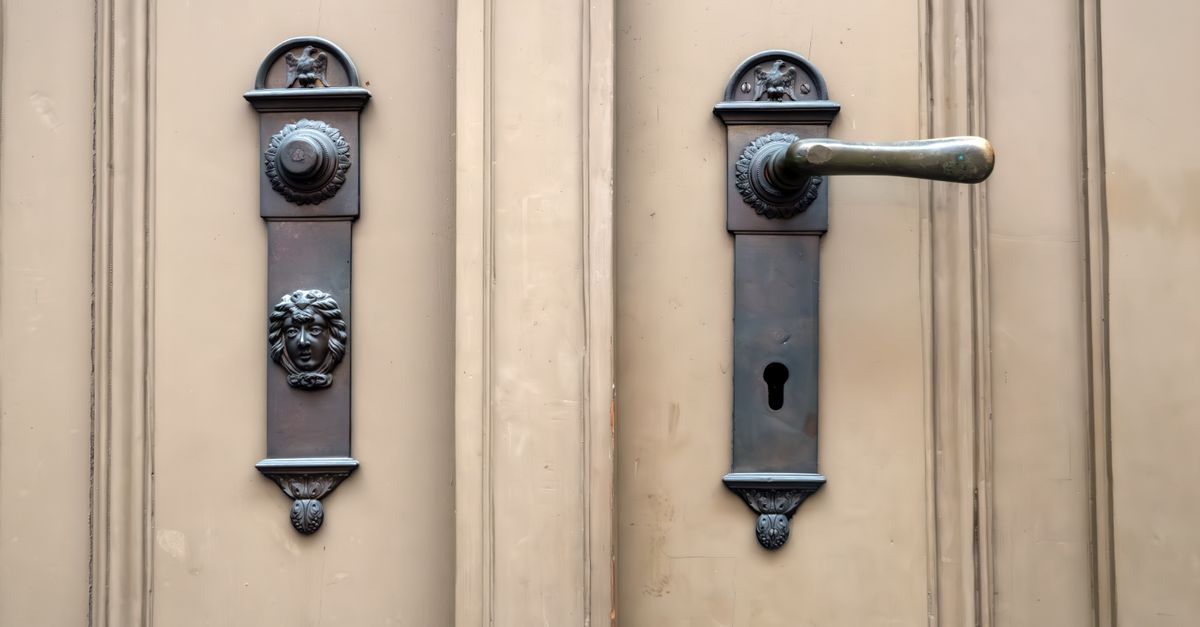
Mortise locks — the type that fits into a pocket (mortise) cut into the door edge — are the gold standard in NYC residential and commercial security precisely because they're far more tamper-resistant than a standard cylindrical knob lock or a basic deadbolt. If a landlord is upgrading building security or replacing worn hardware, the work should be done by an experienced locksmith familiar with mortise lock systems. Our team handles mortise lock installation, repair, and rekeying across all five boroughs, ensuring the replacement meets code and functions with any existing master key system.
## Commercial Doors, Keypad Codes, and Rekeying: A Practical Breakdown for NYC Businesses
For business owners, the rules are less about housing law and more about lease terms, insurance requirements, and building management agreements. If you're a commercial tenant on Fifth Avenue or in a Chelsea loft space, your lease almost certainly has language about who controls building access and whether you can change the lock on your suite door. Most commercial leases require landlord notice or approval, and some require that a locksmith for commercial doors be selected from an approved vendor list. Violating this can trigger lease remedies, so read before you rekey. That said, when a staff change happens or keys go missing, acting quickly is reasonable — just notify your landlord in writing the same day.
Many NYC business owners are also asking: can you change the code on a keypad door lock after an employee departure? Yes — and you absolutely should. For businesses using electronic keypad locks, changing the access code is a best practice every time there's turnover. If you're wondering how to change the code on a Honeywell door lock or a similar brand, the process varies by model — some require a programming sequence on the keypad itself, others require a connected app or a physical reset tool. If you're unsure or locked out of the programming mode, our team can reset or reprogram most commercial-grade electronic locks on-site. We also help businesses evaluate whether to upgrade from a door knob lock to a mortise lock system for stronger perimeter security — a change that many commercial insurance policies actively encourage.
## How to Stay Compliant: Practical Steps Before You Change the Lock
Whether you're a tenant, co-op shareholder, or business owner, a compliant lock change in NYC follows the same basic checklist. First, review your lease or proprietary agreement for any language about alterations, locks, or building access — don't skip this step. Second, if approval is required, get it in writing via email or certified letter before any work begins. Third, choose a lock that's compatible with the building's existing hardware — this is especially critical in buildings with a master key system, where the wrong cylinder can break the entire system. Fourth, if you're installing or rekeying a secondary lock as a tenant, provide your landlord with a copy of the new key within 30 days as the law requires. Fifth, if you want to upgrade to a keypad and want to know how to change the code on a door lock or how do I change the code on my door lock — consult a trained locksmith before purchasing hardware to confirm it's compatible with your door's prep and your building's security setup.
One practical note: can you rekey any lock? Not always. Some high-security locks use proprietary keyways that can only be rekeyed by authorized dealers or locksmiths with the right pinning kits. Others, especially older mortise locks in NYC pre-war buildings, may need parts that aren't stocked at hardware stores. Our team carries an extensive inventory of pins, cylinders, and keyway blanks for both residential and commercial mortise lock systems, so we can typically complete a rekey on the spot. If you're ever unsure whether a lock change is compliant or even technically feasible, reach out before you start — call us at (646) 225-5212 and we'll talk it through with you, 24 hours a day.
Frequently asked questions
Does NY require a locksmith license, and how do I know the locksmith I hire is legitimate?+
New York State does not have a statewide licensing requirement specifically for locksmiths, though individual cities and counties may have registration or permit requirements. In New York City, you should look for a locksmith who is insured, has verifiable experience with NYC building types, and provides a clear, upfront quote before starting any work. Our team is insured and trained specifically on the lock hardware common to NYC residential and commercial buildings — including mortise lock systems, co-op master key setups, and commercial door hardware.
How much does a locksmith cost in New York City, and what's the average call-out fee?+
Locksmith pricing in NYC depends on several factors: the type of lock involved (a mortise lock rekey, for example, is more complex than a simple knob lock cylinder swap), the time of day (emergency and after-hours calls reflect the cost of immediate dispatch), travel distance within the five boroughs, and the specific parts needed. There is no single standard call-out fee — any honest locksmith will assess the job first and give you a confirmed price before work begins. At King Locksmith NYC, we always confirm an exact, upfront price before any work starts, with no surprise charges after the fact.
Can a locksmith open a locked door legally, and what verification do they need?+
Yes — a trained locksmith can open a locked door using non-destructive techniques, and this is a fully legitimate service for people locked out of their own home or business. However, any responsible locksmith will ask for proof of residency or ownership before opening a door. This typically means showing a photo ID that matches the address, a lease agreement, a utility bill, or in commercial situations, a business registration document. Our team always verifies ownership before performing any lockout service — it protects you as much as it protects the building.
Can you change the code on a keypad door lock yourself, or do you need a locksmith?+
In many cases, yes — if you have the programming instructions and the current master code, changing the access code on a keypad door lock is something a property owner or tenant can do independently. The process varies by brand and model: on most systems, you'll enter a programming mode using the current admin code, then enter the new code and confirm it. That said, if you've inherited a lock with an unknown code, if the lock is in programming lockout mode, or if you're dealing with a commercial-grade system tied to a broader access control network, a trained locksmith is the right call. We handle electronic lock reprogramming and code resets on-site across NYC.